RePV provides EPC turnkey engineering services — from standard rooftop installations to zero-carbon vessels — and can integrate RePV EVA easy-disassembly technology so every project enters a full circular lifecycle from the design stage.
RePV provides one-stop EPC services covering design, procurement, construction, and commissioning. Whether rooftop, ground-mounted, or specialized engineering applications such as marine installations, we can handle it all.
More importantly, our EPC services can be combined with RePV EVA easy-disassembly module technology — so your project is ready for high-value recovery from the very first day of installation.
The installation cost difference between a standard project and an easy-disassembly module project is minimal — but the gap in residual recovery value at end-of-life is enormous. Making the right choice at the planning stage is the best protection for your investment.
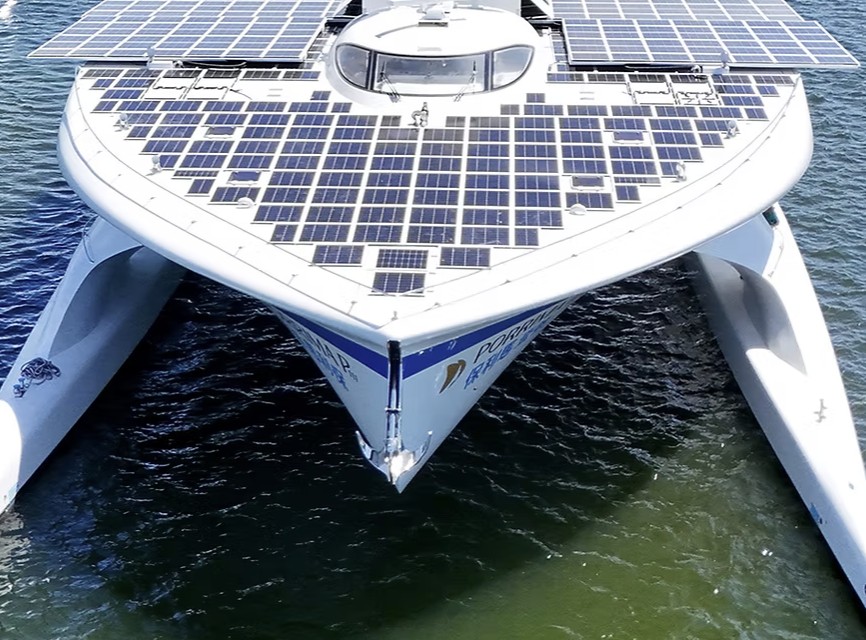
Porrima is the world's first truly zero-carbon ship. RePV took on this extreme engineering challenge — completing the EPC design and installation of a solar energy system on a complex curved hull, while ensuring the module structure supports complete recovery in the future.
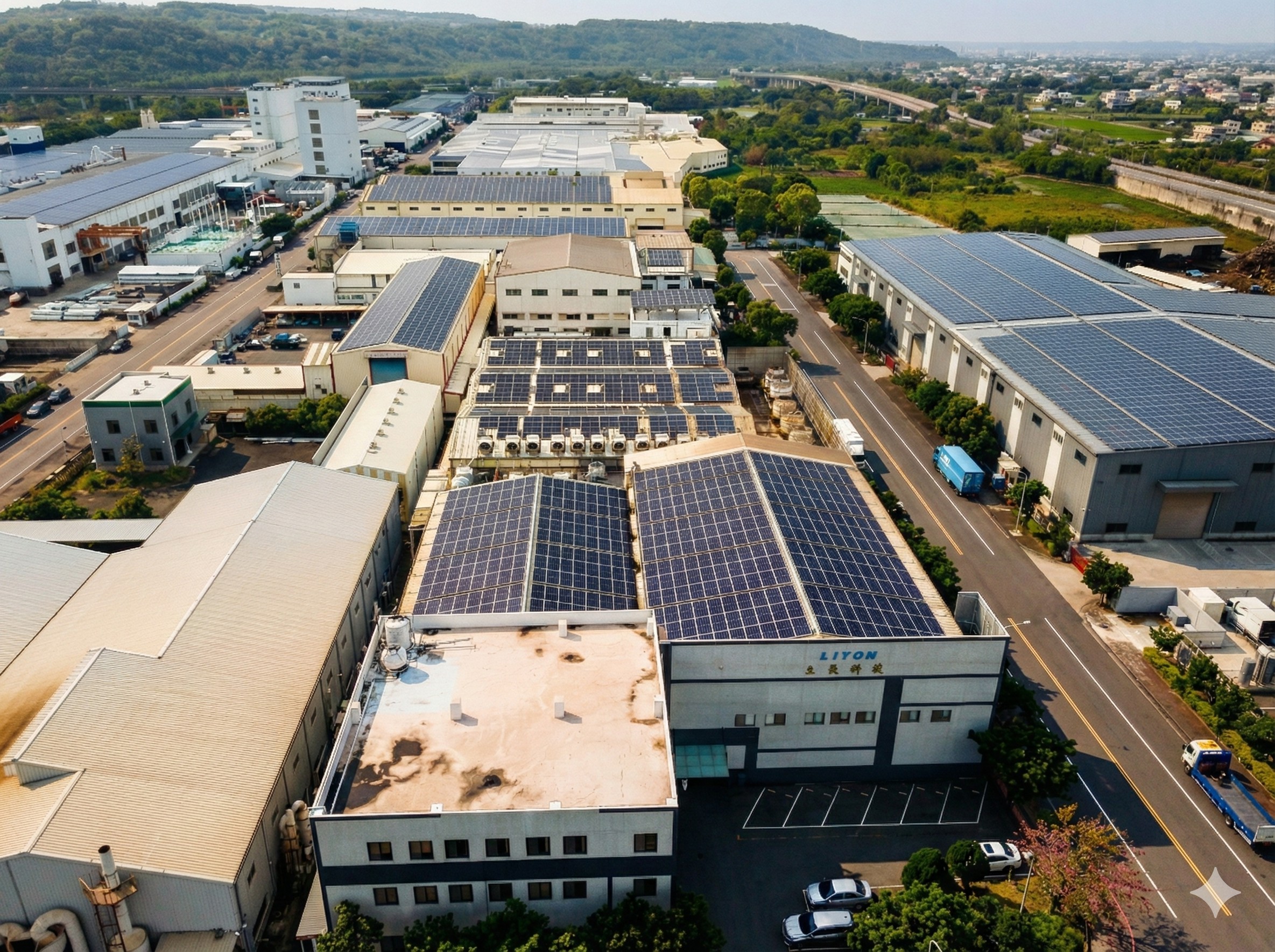
RePV undertook the rooftop solar PV EPC turnkey project for Tonglo Technology Factory, with a total installed capacity of 696 kWp. Through precise structural assessment and efficient construction, we successfully transformed large areas of idle rooftop into stable green energy assets, helping the client achieve concrete ESG sustainability goals.
Traditional solar modules use EVA (ethylene vinyl acetate) encapsulation. When heated, EVA releases gases that build pressure and crush the cell sheets — making it impossible to extract intact silicon wafers during recycling. Only crushing is possible, which drastically reduces material purity and residual value.
RePV EVA easy-disassembly modules use a dual-layer encapsulation structure. When heated, a protective buffer layer forms between the two layers, effectively absorbing the pressure from gas release and preventing cell sheet damage. At end-of-life, simply apply heat to delaminate completely — cell sheets, glass, and silver paste are each recovered at maximum purity.
View Technical Details ↓
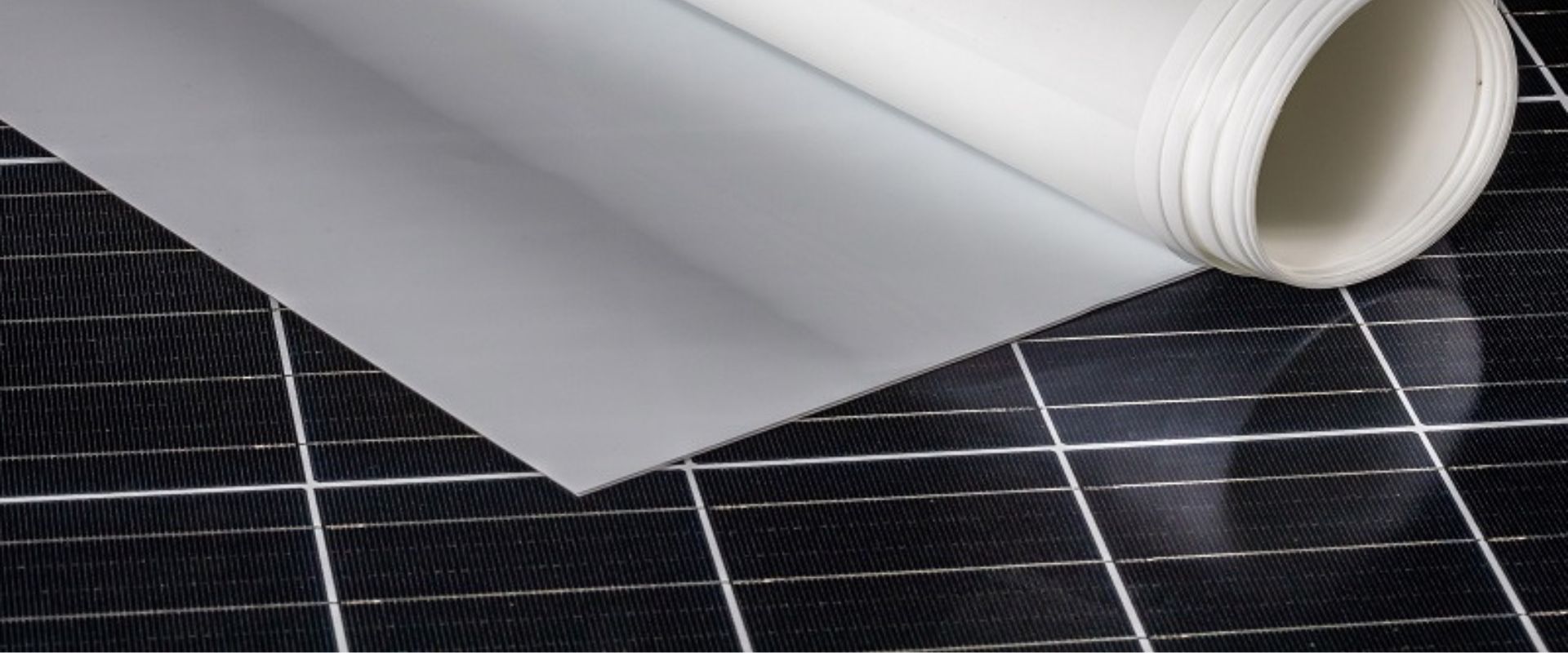
RePV EVA Easy-Disassembly Encapsulation Film
For the same 1MW project, the recovery value difference at end-of-life is up to 6×. The critical difference lies in whether the module encapsulation allows high-purity disassembly.
| Material | Traditional Crushing | RePV Equipment (Standard Module) | RePV Easy-Disassembly Module | Notes |
|---|---|---|---|---|
| Aluminum Frame | NT$12M | NT$12M | NT$12M | Same recovery method |
| Glass | NT$0.2M Mixed crushed glass |
NT$8.9M Clean crushed glass |
NT$8.9M Intact glass sheet |
Traditional crushing mixes plastic & metal |
| Silicon Wafer | NT$0.45M Silicon fragments |
NT$7M Poly-silicon 5N |
NT$43M Intact silicon wafer 7N |
Easy-disassembly preserves intact wafer |
| Silver | NT$0.38M Silver powder |
NT$6.4M Silver compound |
NT$10M High-purity silver |
Purity affects silver offtake price |
| Ribbon | — | NT$0.95M | NT$0.95M | Tin-coated copper ribbon |
| Total Recovery Value | ~NT$13M | ~NT$40M | ~NT$80M | |
| CO₂ Reduction | 0.7% | 40% | Up to 60% |
* Data referenced from Japan NEDO PV recycling research program (2016) and Ichikawa Environmental Engineering reports. Unit: NTD, per GW basis.
Traditional solar modules use EVA (ethylene vinyl acetate) as encapsulation material. The problem with EVA is: when heated to soften it, the material releases gases. These gases build pressure in the enclosed space and crack or even pulverize the cell sheets.
This means once the recycling process begins, cell sheets cannot be extracted intact — only crushing and grinding are possible, producing silicon that is a contaminated mix of glass, plastic, and metal fragments with extremely low purity, sold at very low prices or sent directly to landfill.
RePV EVA easy-disassembly encapsulation uses a dual-layer structural design. When heated, a protective buffer layer forms between the two layers, absorbing the pressure from gas release and effectively preventing cell sheet damage.
This design makes the end-of-life disassembly process extremely simple: just apply appropriate heat and the module cleanly delaminate — glass is removed intact, cell sheets remain whole, and silver paste circuits are undamaged.
After easy-disassembly modules reach end-of-life, RePV equipment can recover intact silicon wafers. When these recycled silicon wafers are remanufactured into new modules, the carbon footprint is far lower than the traditional path of re-smelting from quartz sand.
Solar panels remanufactured from recycled silicon wafers reduce the overall carbon footprint from the traditional 304.6 kg GHG to 122.1 kg — a reduction of over 60%.
The easy-disassembly module is the starting point of RePV's full-cycle ecosystem. The high-purity materials recovered after end-of-life can not only be remanufactured into low-carbon solar panels, but also enter high-value lateral applications:
Every project using RePV easy-disassembly modules is an entry point into this circular economy.
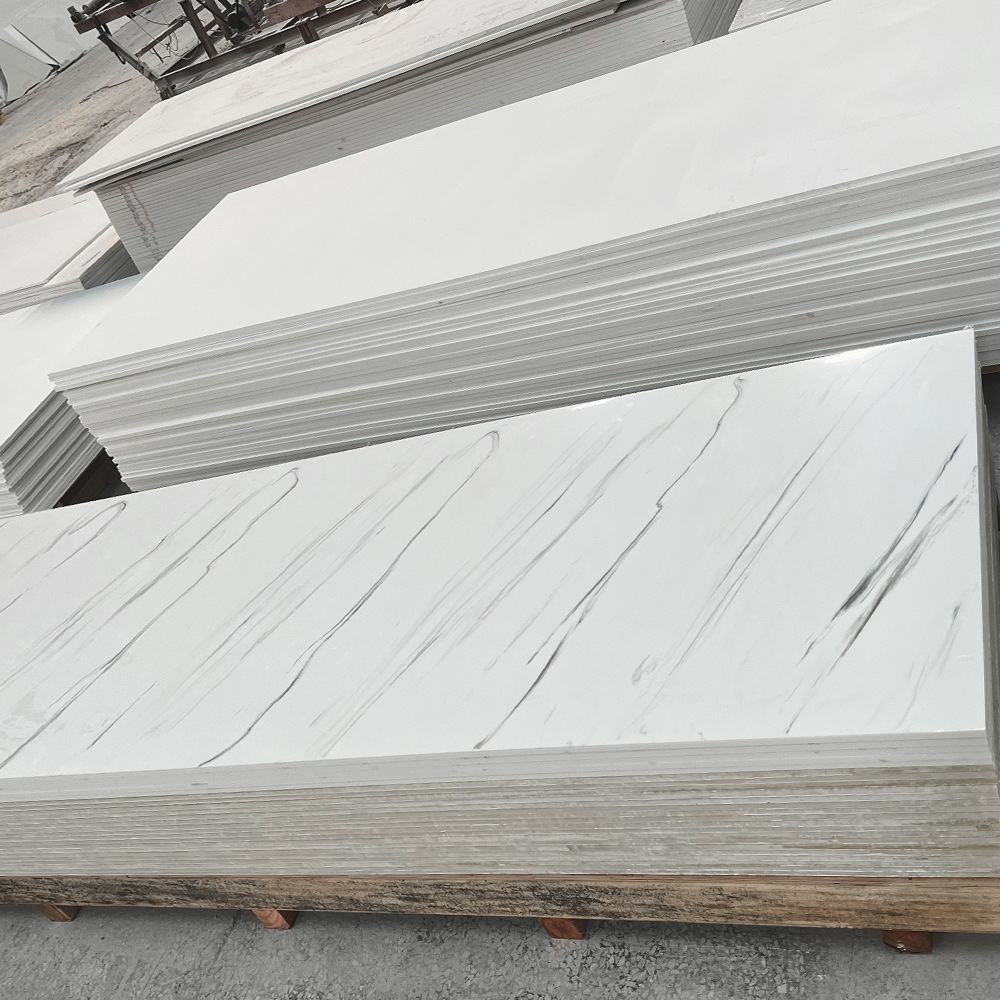
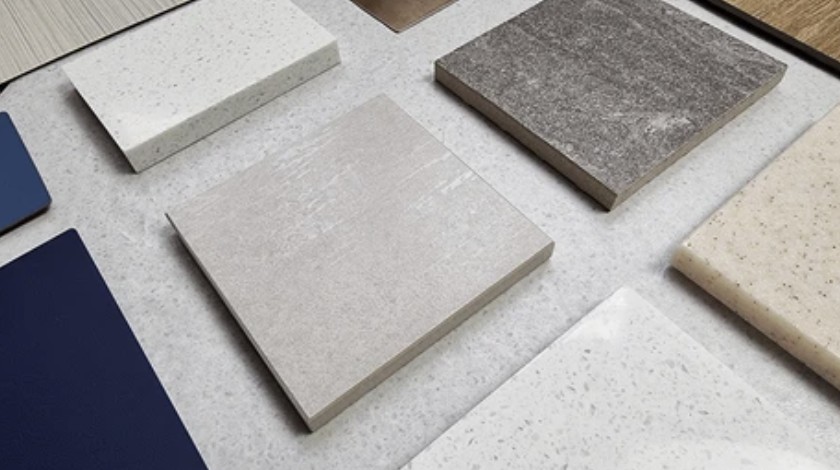
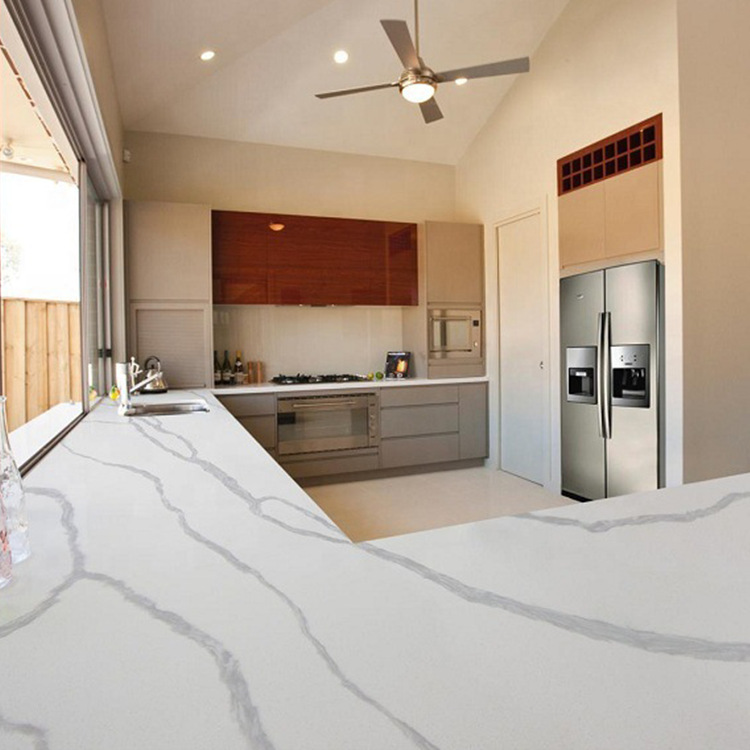
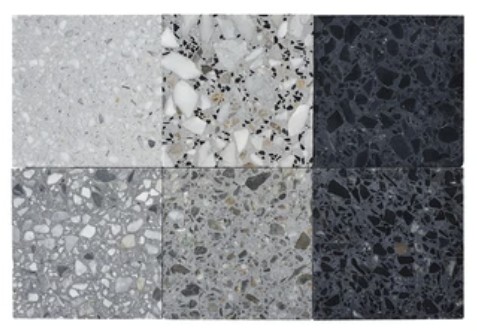
Recovered glass, processed through recycling technology, becomes premium quartz building materials under the Mikado Quartz brand for kitchens, bathrooms, flooring, and other high-end interior applications.